Looking For Anxiety Therapy in Ventura?
-Are you experiencing racing thoughts?
-Do you feel overwhelmed?
-Are you avoiding certain situations or people?
-You appear calm on the outside, but inside you’re struggling?
-Is sleeping soundly a thing of the past?
Simply put, if you answered yes to these questions, you might be experiencing anxiety. Anxiety isn’t just about over-thinking. It truly is a full body experience. Symptoms of anxiety range from minor worrying to full blown panic attacks. Debilitating social anxiety can cause you to avoid important situations, while chronic anxiety may interfere with your work, relationships, and daily life. Anxiety therapy in Ventura can help you break free from these patterns and feel more at ease.
Begin to feel more grounded and secure within yourself. Working with a therapist for anxiety in Ventura can help. In-person therapy & online throughout CA.
Symptoms of Anxiety
Excessive Worrying
Feeling Nervous
Trouble Sleeping/ Tiredness
Agitation
Difficulty Concentrating
Body Tension
Sweating
Upset Stomach
Panic Attacks
Health Anxiety
Social Anxiety
Derealization/Depersonalization
Anxiety Syndromes & Subtypes
Body Focused Repetitive Behaviors (Trichotillomania/ hair pulling, nail biting, skin picking)
Panic Disorder
Generalized Anxiety Disorder (GAD)
Derealization/Depersonalization Disorder
Phobias- Claustrophobia
More….
Why Choose an Anxiety Therapist in Ventura?
We do our best to help clients explore the deeper roots of their anxiety. While cognitive behavioral therapy and mindfulness are important, we use a variety of therapies that reach the parts of the brain where survival patterns live- flight/ fight/ freeze. Additionally, anyone that struggles with anxiety knows that anxiety is a full body, somatic experience. We use a variety of body based techniques.
Many therapists only offer online therapy, but we understand that for many people, meeting with an anxiety therapist in Ventura at a calm, private office can make a meaningful difference. Our welcoming, calm office provides a safe space where you can slow down, feel supported, and focus on healing without the distractions of home.

Anxiety Disorders Are Common
You are not alone. In the United States, anxiety disorders affect 40 million adults. In fact, anxiety is the most common mental illness in the country. Having anxiety could be a result of childhood trauma such as bullying or an unstable home and family life. It could also arise from a recent event that was distressing. Overall, symptoms of anxiety can pop up due to many life circumstances and a variety of factors.
Unfortunately, many adults do not seek treatment for their anxiety symptoms. Subsequently, many adults self treat anxiety with alcohol, illegal drugs, overuse of prescription drugs, or other behaviors. This can result in isolation from family, friends, work and other life events. There is no shame in having anxiety. Ultimately, working with an anxiety therapist can support you in living a fuller life.
Our Specialized Approach To Therapy For Anxiety
Many therapists only use basic CBT (cognitive behavioral therapy) or talk therapy for anxiety treatment. While we bring in cognitive approaches, our goal is to support you in going deeper. We approach anxiety therapy holistically and tailor treatment to the client. Simply put, we don’t use the same cookie cutter approach for everyone. Our therapists draw from a variety of cognitive therapies, somatic therapy, and deeper brain modalities. Overall, talk therapy only gets you so far when it comes to anxiety relief. Effective therapy for anxiety addresses both the mind and the body.
Anxiety Therapies We Use in Ventura
Coherence Therapy is a depth oriented therapy that explores the unconscious beliefs that might be keeping you anxious. The therapy gets to the root of what’s driving the overwhelm. It helps uncover and transform the beliefs and emotional learnings that make anxiety feel necessary or protective.
Also, we might use cognitive therapies such as Cognitive Behavioral Therapy (CBT) and Acceptance and Commitment Therapy (ACT). Mainly, Cognitive Behavioral Therapy explores how our thoughts affect how we feel. Separately, Acceptance and Commitment Therapy is based on life values and making choices according to your values. Equally important, ACT also has tools to unhook from unhelpful thoughts, worry, and rumination.
Other Anxiety Tools
Somatic Therapy– Anxiety is very much felt in the body. Therefore, we share somatic tools in session to support regulation and anxiety reduction. Many anxiety therapists focus on changing thoughts. We take a mind-body approach to healing.
Mindfulness– In addition, mindfulness techniques such as breath meditations and progressive muscle relaxation can be beneficial. To clarify, mindfulness techniques are important because they teach us to remain in the present moment not in the future, where anxiety often lives. Often, with anxiety, we ruminate about the future or are upset about the past.
Supporting Nervous System Regulation
Nervous system regulation is important when it comes to anxiety relief. Somatic Experiencing teaches that a dysregulated nervous system can play a big role in anxiety. Therefore, somatic tools can help you come back to calm and teach you to have a different relationship with anxiety.
To explain, many people with anxiety are often stuck in a state of flight/ fight/ freeze. Above all, their brain is always on alert, scanning for threat. Unfortunately, being stuck in this high arousal state can be hard on the body and mind.
When we are able to return to a rest and digest state (parasympathetic state) more often, our thoughts slow down and our nervous systems regulate. Simply put, we support clients in being more centered, grounded, and safely embodied.
Healing from anxiety is possible!

FAQ
Do I need medication for anxiety?
Medication for anxiety is a very personal decision and could be part of your anxiety treatment. Lifestyle changes and anxiety treatment can help, but it can take time for changes to happen. Overall, medication might help you feel stable faster and more emotionally available for therapy. Always speak to a psychiatrist to discuss your options.
Can therapy help with anxiety attacks?
Anxiety attacks are scary. Additionally, not feeling in control over your body is a terrible feeling. During anxiety treatment, we will discover what events or thoughts might be setting off the attacks. Often, we have anxiety over having anxiety attacks! Importantly, learning how anxiety attacks work often takes much of the fear out of them, which can help them lessen dramatically over time.
Can anxiety contribute to health issues?
Chronic stress and anxiety has been linked to illnesses and other mysterious bodily issues. Definitely, when you’re constantly stressed, your body reacts. After all, the mind and body are connected. We work with many people who have somatic (body) symptoms. Supporting the anxiety helps to calm the body symptoms. Examples of mind-body syndromes are: Irritable Bowel Syndrome, chronic pain, chronic fatigue, TMJ, Vulvodynia, and more. Click HERE to find out more on how we work with these syndromes.
Did trauma cause my anxiety?
Sometimes. While anxiety can develop for many reasons, unresolved trauma is often overlooked. When difficult or overwhelming experiences occur, the nervous system can learn to stay on high alert, even long after the original situation has passed. This can show up as chronic worry, overthinking, difficulty relaxing, panic, hypervigilance, or feeling like something bad is about to happen.
What is the best therapy for anxiety?
Cognitive Behavioral Therapy (CBT) has been studied more than any other psychotherapy for anxiety and has strong evidence supporting its effectiveness. However, research also shows that no single therapy works best for everyone. The most effective treatment depends on what’s driving your anxiety. We find a mix of cognitive, somatic, and therapy techniques that explore the unconcious mind, support healing anxiety.
Do you offer in-person anxiety therapy in Ventura?
Yes. We provide anxiety therapy in our Ventura office for adults throughout Ventura County, including Ojai, Oxnard, Camarillo, Carpenteria, and Thousand Oaks. HIPAA compliant online therapy is also available throughout California.
How long does anxiety therapy take?
There isn’t one answer because everyone’s anxiety has different roots. Some people notice improvement within a few sessions as they learn new ways to respond to anxiety and regulate their nervous system. Others, especially those with long-standing anxiety or childhood trauma, benefit from longer-term therapy that addresses the deeper emotional patterns keeping anxiety in place. Our goal isn’t simply to help you cope with anxiety, we want to understand what’s driving it so lasting change becomes possible. Reach out to work with one of our therapists for anxiety in Ventura!
Reach Out For Anxiety Therapy In Ventura
If you’re searching for an anxiety therapist in Ventura, we’d be honored to help. Our Ventura office offers a calm, supportive environment for adults throughout Ventura County, with online therapy available across California. Our office is a short drive from Ojai, Santa Barbara, Oxnard, Thousand Oaks, Carpenteria. Whether your anxiety is new or something you’ve struggled with for years, therapy can help you understand what’s driving it and move toward lasting change.
Recent Blogs

Coping With Feeling Overwhelmed
Feeling Overwhelmed? Whether you are a Highly Sensitive Person or just someone with a lot of Anxiety, coping with feeling overwhelmed can be challenging. The phrase “Too much to do, too little time” probably rings true! Maybe, it’s a hectic family life, a job that’s...

Healing Visualizations
Healing Visualizations We all know what it’s like to close our eyes and visualize ourselves sitting or lying on a warm beach, with white sand, listening to the sounds of a blue green ocean crashing softly. A slight smile might appear on our face, our shoulders might...
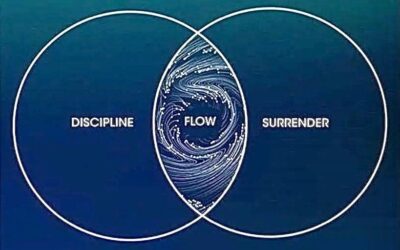
DICIPLINE FLOW SURRENDER
Such a simple diagram, but such an important message! In healing from physical illness, metal illness, addiction, or just working towards in important life goal, it IS important to put effort in (discipline) to what you are doing, trying to accomplish. But too much...
Get In Touch
Call
805.669.8176
Location
5550 Telegraph Rd. Ventura, California, 93003
Located near Ojai, Santa Barbara, Oxnard, Camarillo, Thousand Oaks.
Also seeing clients for online therapy all over.